Writing forces clarity. Sitting with a family across a kitchen table teaches you what actually matters; writing about it forces you to say why. These three books are where I worked out the arguments that shape how I advise people.
They are educational, not prescriptive. None of them tells you what to buy. Each of them is an attempt to describe the world we are actually investing in, so the decisions that follow are made with open eyes.

On using market history as a working tool
Navigating today's markets takes more than software. It takes a sense of history — and mine was shaped by Black Monday, the dot-com collapse, the 2008 crisis, and the very different world investors face now.
I wrote this book to put those decades to work. Not as war stories told after the fact, but as a way of positioning a portfolio before the trouble arrives, and of telling the difference between a market that is expensive and a market that is breaking.
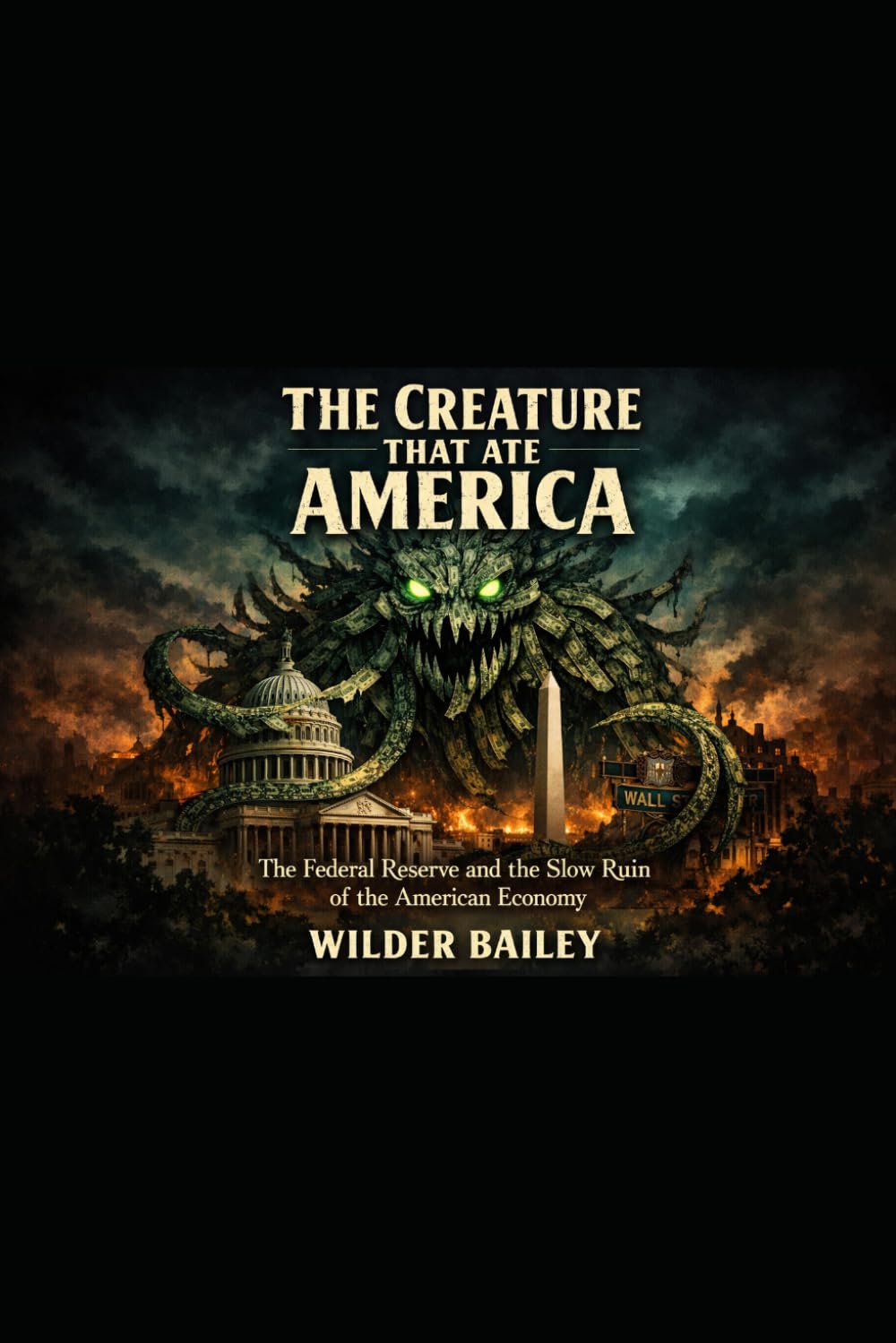
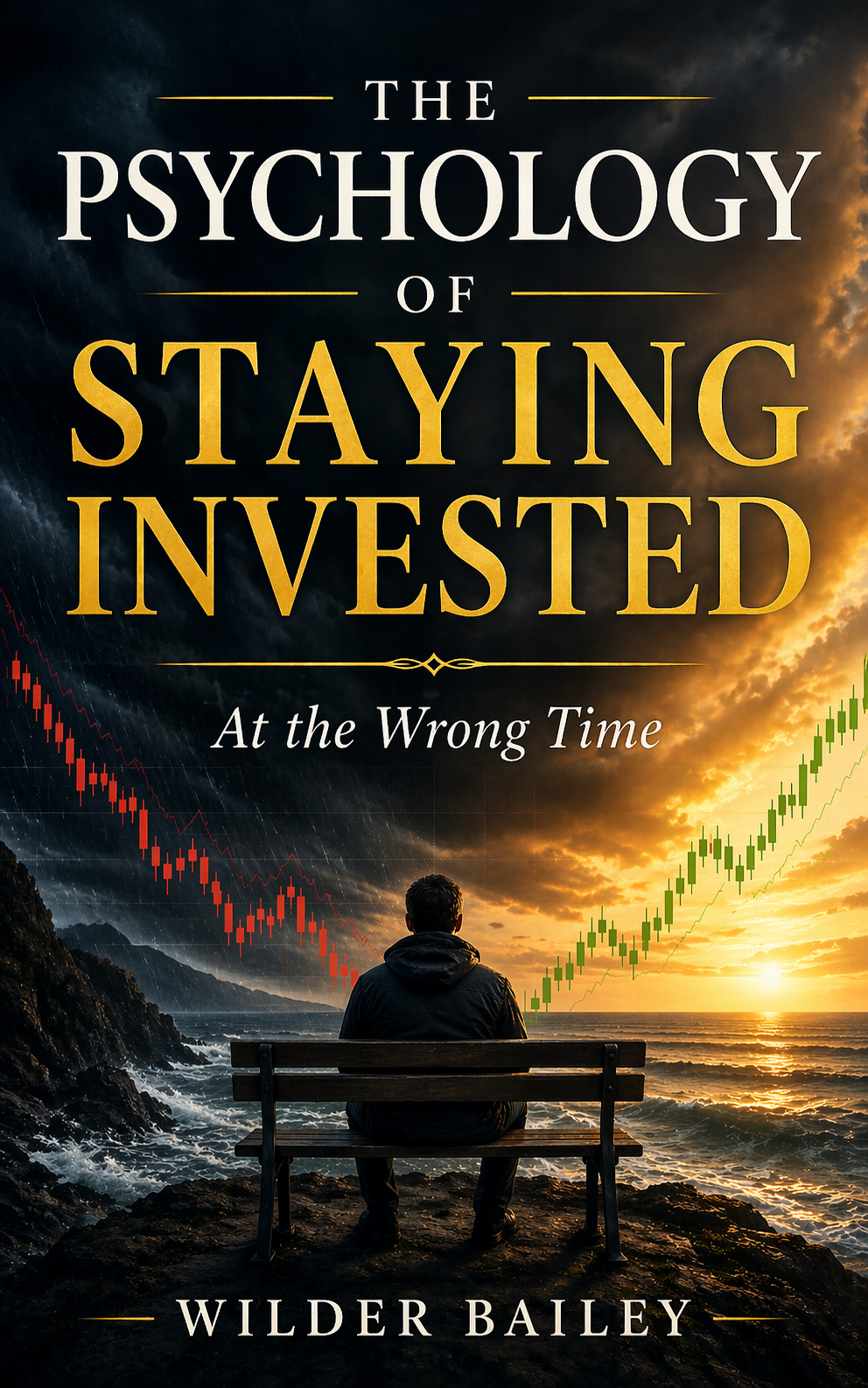
The Federal Reserve and the Slow Ruin of the American Economy
Easy money did not just move markets. It reshaped industry, changed what capital was willing to fund, and quietly altered what a dollar is worth.
This book traces that story — how the Federal Reserve came to hold the position it holds, what a long era of intervention has cost, and why the consequences turn up in an ordinary retirement account long before they turn up in the headlines.

How Cycles Are Made, Missed, and Survived
“Stay the course” is not bad advice. It was true, powerful and genuinely useful for one particular investor in one particular era — the long-horizon accumulator riding four decades of falling interest rates and expanding valuations.
That era ended. This book is about what happens when a slogan outlives the conditions that made it work, and about the retiree who has stopped adding money and started taking it out — facing a problem the slogan was never built to solve.
It opens with a client I call Ron. Sixty-three, a career engineer at a large Southeastern utility, three years from the retirement he had been planning since he was forty, holding a portfolio that assumed the last decade would be the next one.
If something in these pages describes your situation — a portfolio built for a different decade, a concentrated position you have never quite dealt with, a retirement date close enough to matter — that is worth an hour of someone's attention rather than another book.
No pressure, no obligation. Just an honest conversation.
Wilder Bailey
Watkinsville, Georgia
Wilder@BaileyFS.net
These books are published by Wilder Bailey and are offered for general educational and informational purposes only. They do not constitute individualized investment, tax or legal advice, nor an offer or solicitation to buy or sell any security. Historical patterns discussed in them are not predictions, and past performance does not indicate future results. All investing involves risk, including possible loss of principal. Bailey Financial Services, Inc. is a state-registered investment adviser. Purchases made through the links on this page are transactions with Amazon, not with Bailey Financial Services.