
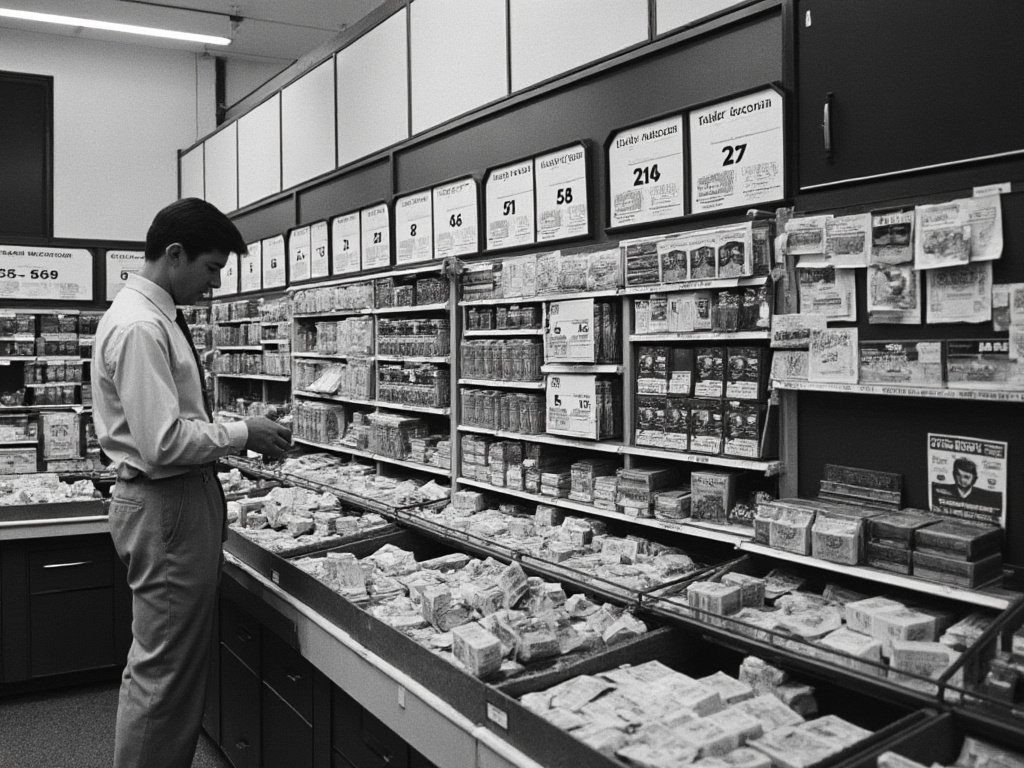
The Economic Turbulence of the Early 1970s
Historic Warnings, Modern Risks
Why This Isn’t Just Another Market Cycle
Every major market reset is preceded by clear warnings that most investors either don’t see, don’t believe, or simply choose to ignore. My concern is simple: the combination of inflation, debt, and overvalued markets we see today looks less like “normal volatility” and more like the early stages of a profound economic reset.
What the 1970s Tried to Tell Us
The early 1970s were not just “a bad few years” — they were a structural turning point for the U.S. economy. It was the decade when traditional economic assumptions broke down and investors discovered how painful it can be when inflation, policy mistakes, and external shocks collide.
That period gave us a new word: stagflation — the rare and damaging mix of high inflation, weak growth, and rising unemployment. The key forces included:
- The 1973 oil embargo: A supply shock that drove energy prices sharply higher and pushed the cost of living up almost overnight.
- The end of Bretton Woods: Closing the gold window in 1971 untethered the dollar from gold and ushered in an era of floating currencies and persistent inflation.
- Failed policy responses: Wage and price controls, political turmoil, and an unwillingness to take short-term pain allowed inflation to become deeply embedded.
- Declining competitiveness: U.S. manufacturing struggled against emerging global competition, setting the stage for job losses and economic malaise.
The lesson from that decade is not just that “things got tough.” The lesson is that once inflation and policy error get ahead of you, it can take years of painful adjustment to get back to stability.
Today’s Economy: Different Details, Same Pattern
Our current environment is not a carbon copy of the 1970s, but the rhyme is hard to ignore. Instead of an oil embargo, we have global supply chain strains and geopolitical risk. Instead of a one-time break from the gold standard, we have years of zero interest rates and aggressive money creation now colliding with stubborn inflation.
Consider the backdrop investors are facing today:
- Soaring public and private debt that can only be serviced comfortably if interest rates remain low — yet rates must stay high enough to fight inflation.
- Inflation that is far from “transitory” and continues to chip away at the purchasing power of retirees and savers.
- Asset prices that remain grossly overvalued, particularly in segments of the stock market that have been levitating on cheap money and speculation.
- A fragile confidence in institutions, with many investors unsure who or what to trust when it comes to understanding risk.
This is not just noise. It is a structural warning that the current setup is unlikely to be resolved by a simple “soft landing” or a quick return to the old normal.
Are We Staring at a Second Great Depression?
I don’t believe we are destined to repeat the 1930s in a literal sense. The world is more complex now, with globalized trade, digital finance, and instantaneous communication. But we are absolutely living through a period where the downside risks are far greater than most investors appreciate.
The danger is not just a typical bear market. The danger is a drawn-out period where:
- Inflation erodes real wealth, even when account balances look stable on paper.
- Market corrections are sharper and more frequent than most retirement plans were built to handle.
- Traditional “set it and forget it” strategies fail to protect purchasing power and lifestyle.
In that sense, we may indeed be facing our own version of an economic “Great Reset” — one that demands a different level of awareness and preparation from long-term investors and retirees.
What This Warning Means for Your Money
If you are retired, nearing retirement, or simply responsible for your family’s financial future, ignoring these warning signs is not a strategy. The question is not “Will there be volatility?” — it’s how deeply a major reset could impact your ability to live the life you’ve planned.
In my work with clients, I focus on:
- Reducing exposure to the most overvalued and speculative corners of the market.
- Building portfolios that respect market cycles instead of pretending they don’t exist.
- Using diversification, defense, and real assets where appropriate to help protect purchasing power.
- Positioning clients not only to weather a correction, but to be ready for the opportunities that follow.
None of this happens by accident. It requires a willingness to take the warnings seriously and to act before the crowd decides it’s time to panic.
A Personal Warning — and an Invitation
I believe we are living in historic times for investors. The warning signs are not subtle, and the cost of doing nothing could be severe. If you have a 401(k), IRA, pension rollover, or taxable portfolio that feels like it’s “on autopilot,” this is the moment to pause and take a closer look.
If this resonates with you, I’d encourage you to have a conversation before the next major move catches you off guard. We can review where you are today, what risks you’re truly exposed to, and what steps may make sense in your situation.
Reach out to us and let’s talk about how to navigate what’s coming — not with fear, but with a clear-eyed plan.


A Call to Action: Re-Evaluate Your Investments Now
As we face what could be one of the most significant market corrections in history, it's crucial to evaluate how your assets are invested. The time for complacency has passed. Now is the moment to reassess your portfolio, reduce exposure to high-risk investments, and strengthen your financial position with safer assets.
Consider incorporating asset classes that have historically benefited from market corrections. Embracing these proven strategies can help protect your financial future, ensuring you're not only prepared to weather the storm with the real possibility of growing your assets when the much overdue market correction occurs.
I'm here to help you make these critical decisions. With my expertise and personalized strategies, I can guide you in fortifying your financial future. Don't leave your assets to chance—reach out to me today to schedule a consultation. Together, we'll create a plan tailored to your needs, positioning you for stability and success no matter what the market brings.