The Federal Reserve, market cycles, gold, concentration risk, and retirement strategy — written for people who want to understand the world as it is, not as we wish it to be.
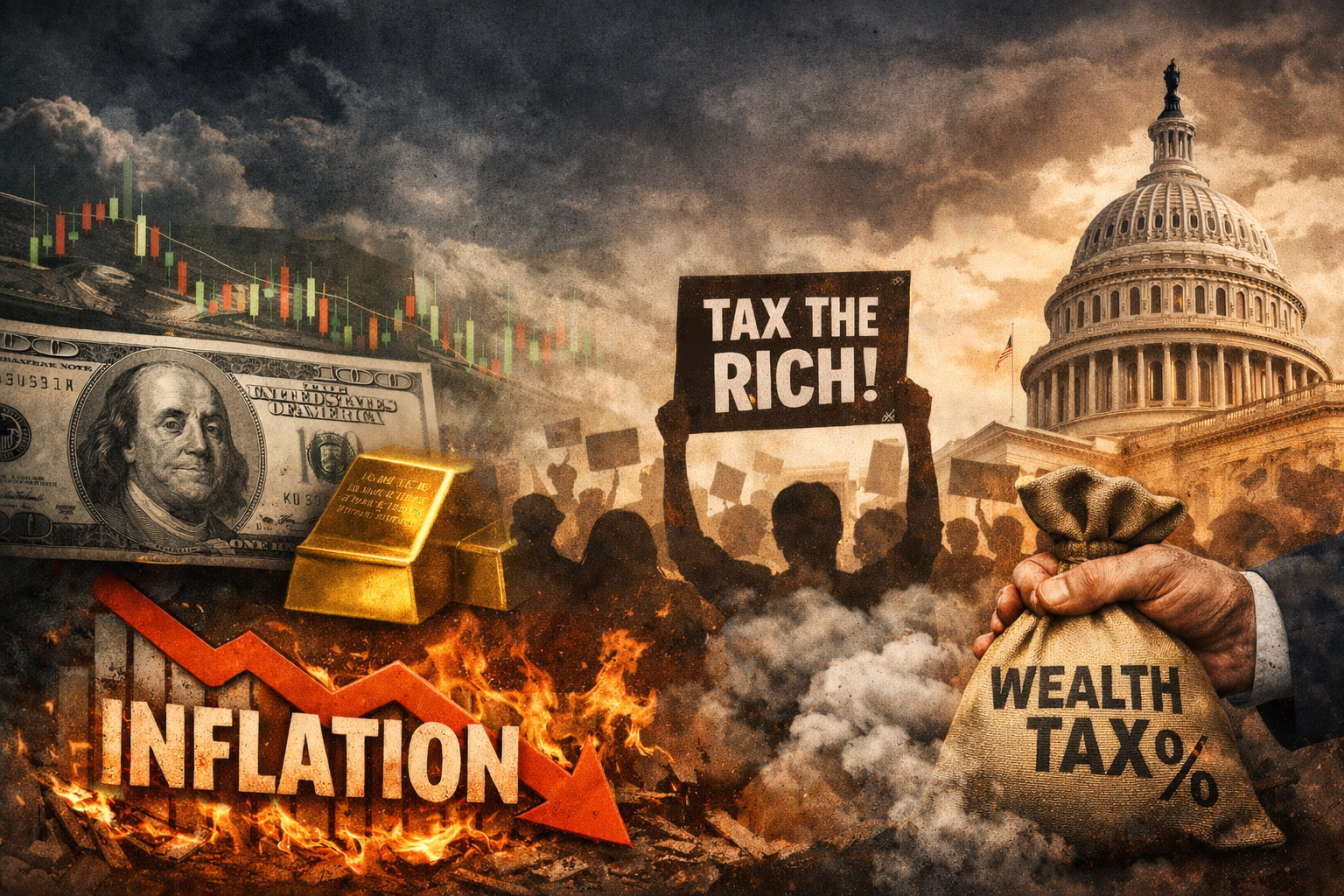
Inflation doesn't just erode purchasing power — it quietly realigns the economic landscape, rewarding asset owners, punishing wage earners, and building political pressure for wealth taxes and redistribution. Here's what that means for retirement investors.
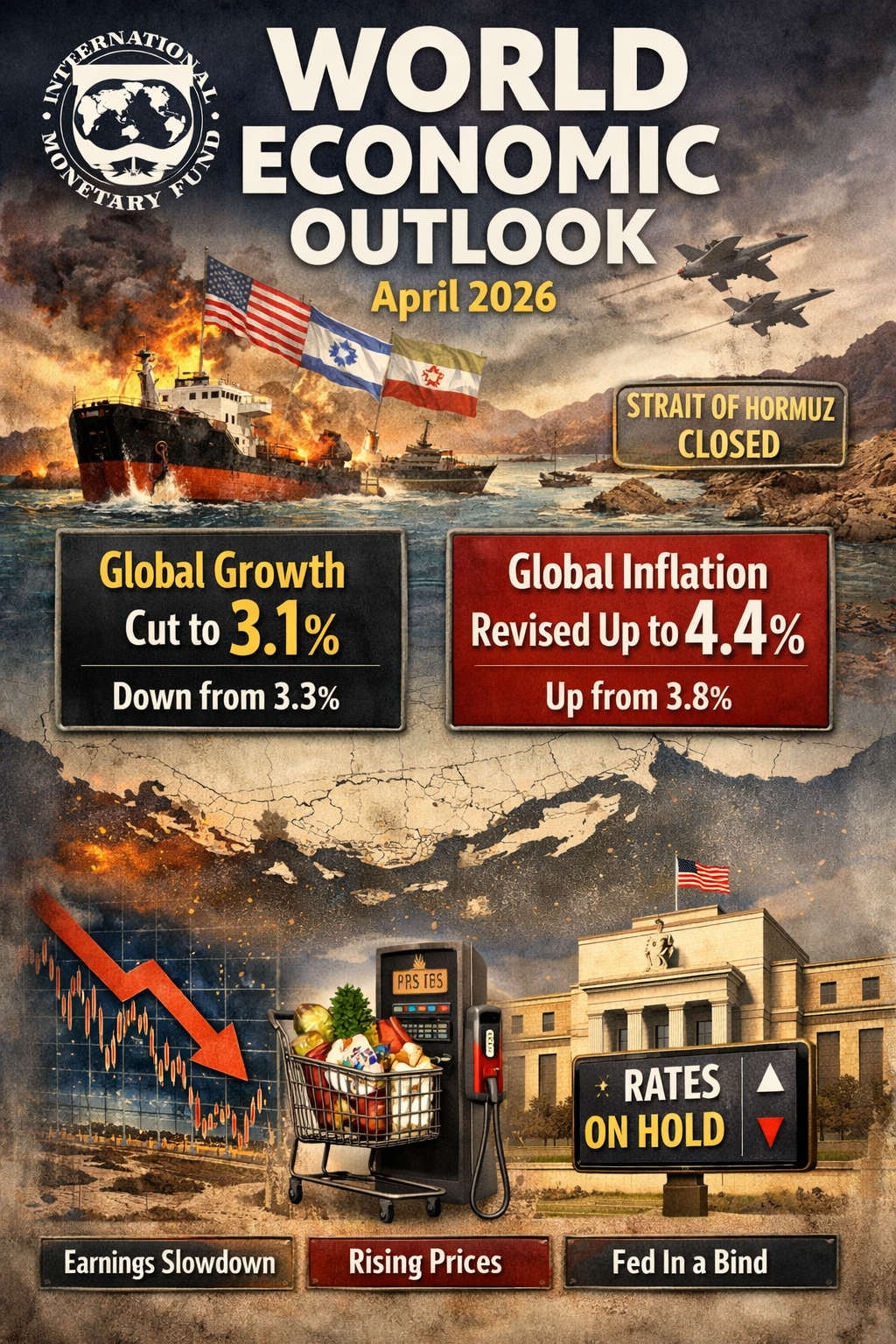
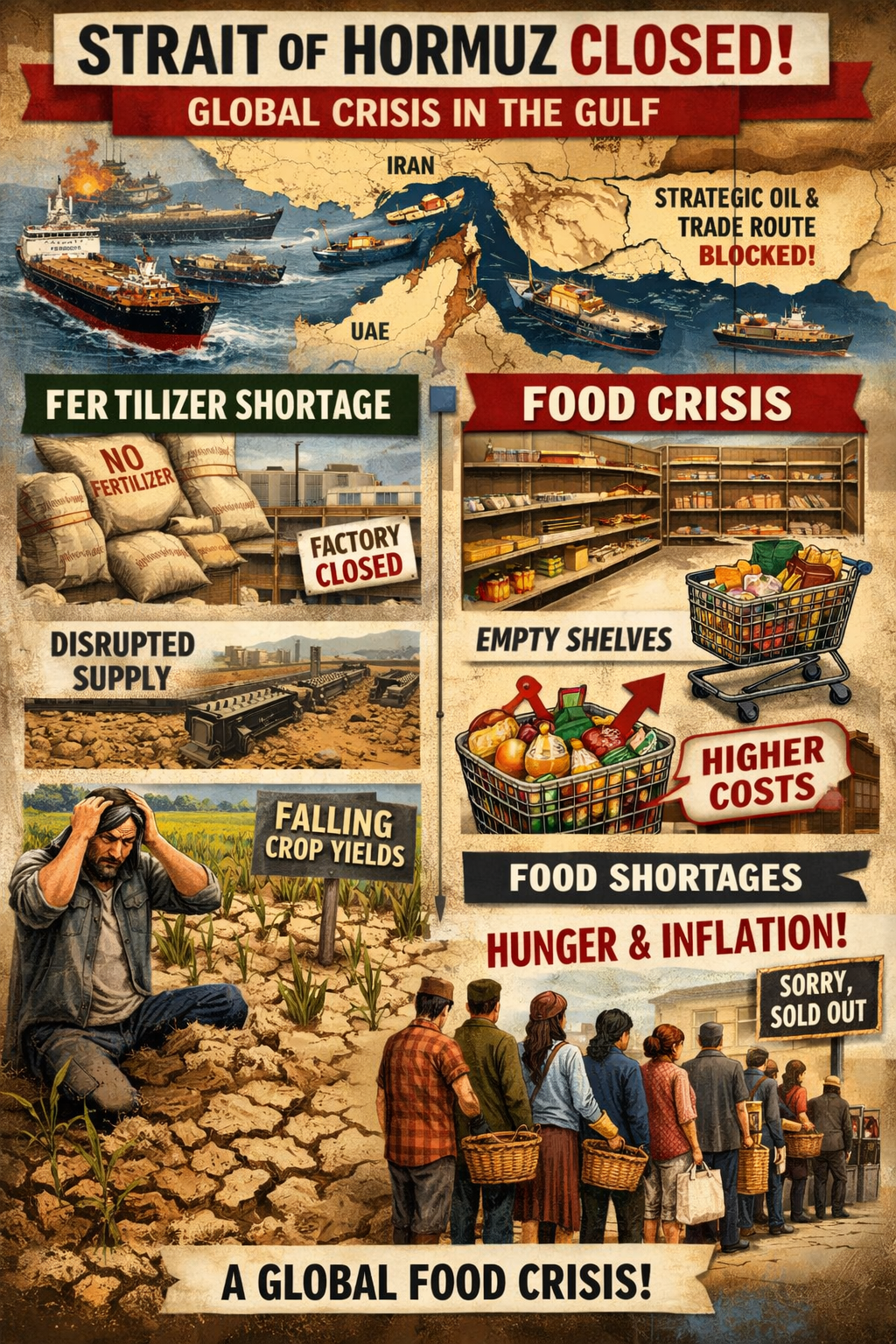
The Strait of Hormuz is barely 33 kilometers wide, yet roughly a fifth of the world's oil passes through it every day. A closure would cascade within hours from oil futures to gasoline prices, equity markets, and strategic reserves — and no alternative route can replace it.
We live in a world of constant data — and it is easy to become consumed with the micro. But the most important forces shaping your portfolio operate at the macro level, and the proper sequence is macro first, micro second.
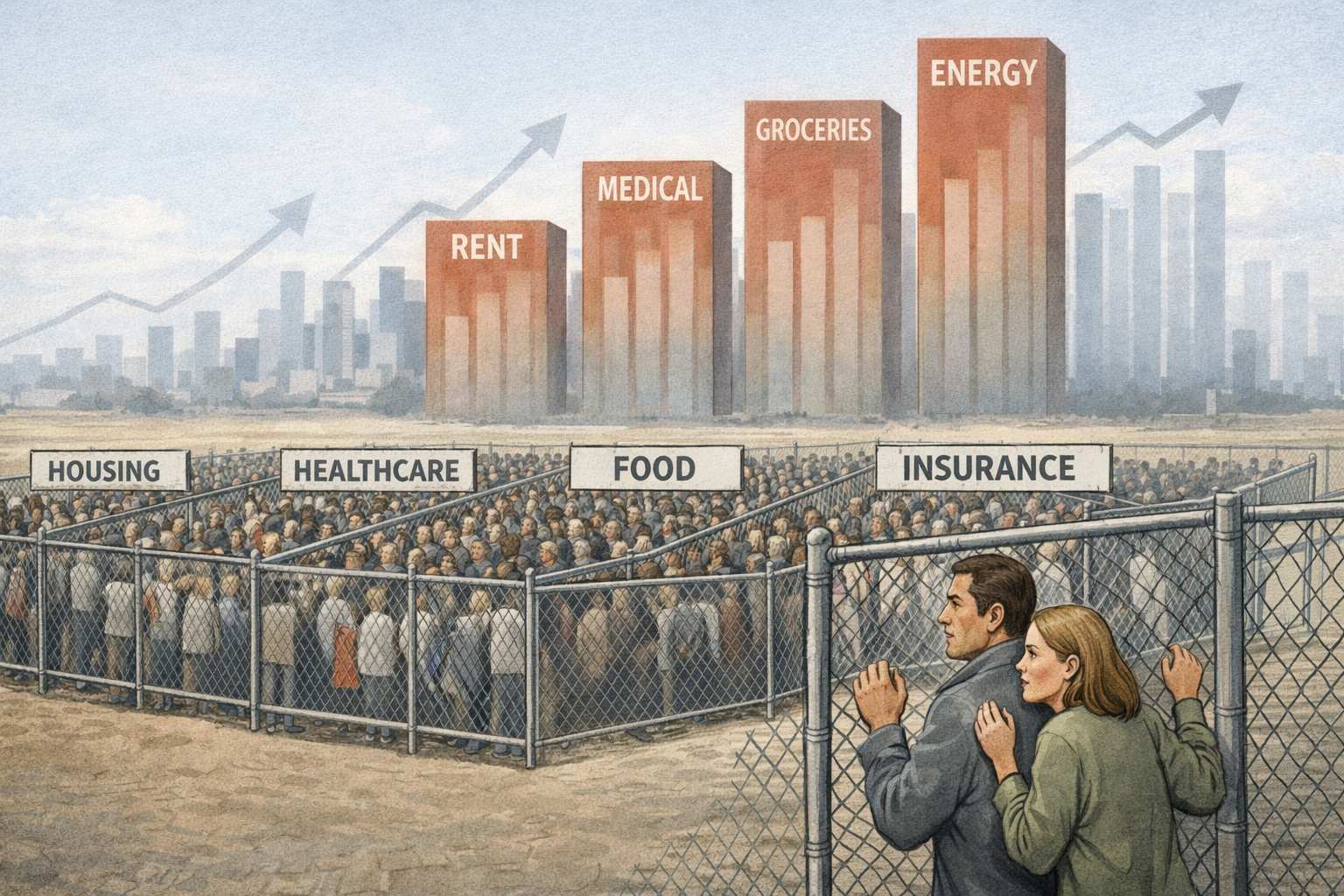
The American economy is splitting into two very different experiences: higher-income households keep spending freely while middle-income families lean on credit cards. The K-shape is not just about fairness — it is about stability.
For most of history, money was scarce and could not be created at will — it restrained governments and disciplined financial systems. Since 1971, that restraint no longer exists, and the dollar has lost over 80% of its purchasing power.
Rising job cuts and collapsing hiring intentions suggest the U.S. labor market is weakening structurally, not fluctuating temporarily. Employers announced over 108,000 job cuts in January 2026 — the worst January since 2009 — while hiring plans fell to record lows.
Looking back from early 2026, 2025 stands out as a year of tension — between optimism and reality, liquidity and fundamentals, stability and fragility. Its mixed results now read less like noise and more like warning signals.
George F. Smith cuts through the euphemisms of modern monetary discussion: inflation is softened into “stimulus,” “accommodation,” or “support,” but the outcome is the same — a deliberate erosion of purchasing power, borne quietly by the public.
For decades, investors have relied—often unknowingly—on a single assumption: when economic stress appears, policymakers will step in and restore balance. That assumption comes from Keynesian economics, and today the framework is breaking down.