The Federal Reserve, market cycles, gold, concentration risk, and retirement strategy — written for people who want to understand the world as it is, not as we wish it to be.
The world's largest asset manager no longer just manages investments — it's helping shape the rules that govern them. With Larry Fink stepping into a leadership role at the World Economic Forum, the lines between global capital and global governance have blurred.
Stock markets have soared to dizzying heights and asset prices feel untethered from reality. A look at the sectors where speculation has replaced fundamentals — AI-driven tech, real estate, and shadow banking.
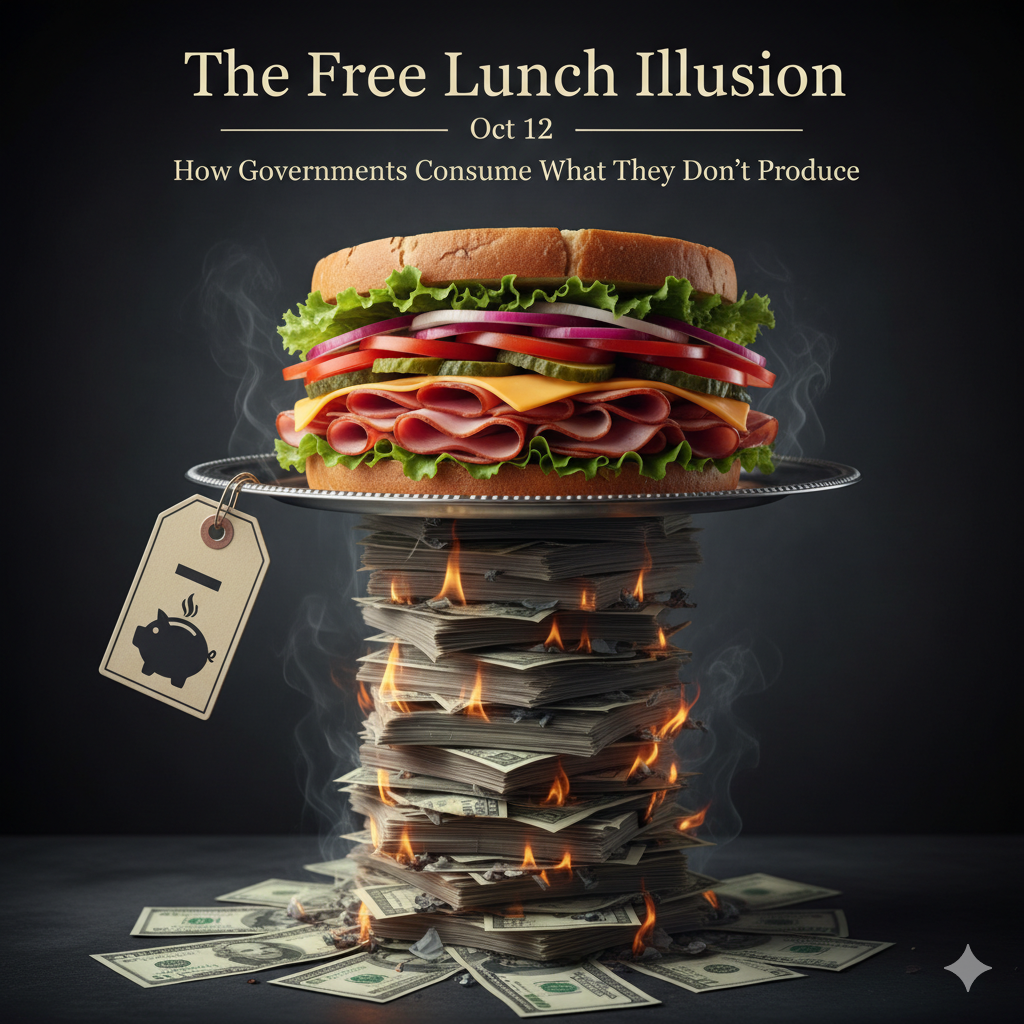
Governments throughout history have been haunted by the same temptation — the belief that they can create prosperity without production, growth without savings, and benefits without costs. George F. Smith's warning: you can't print your way to real wealth.
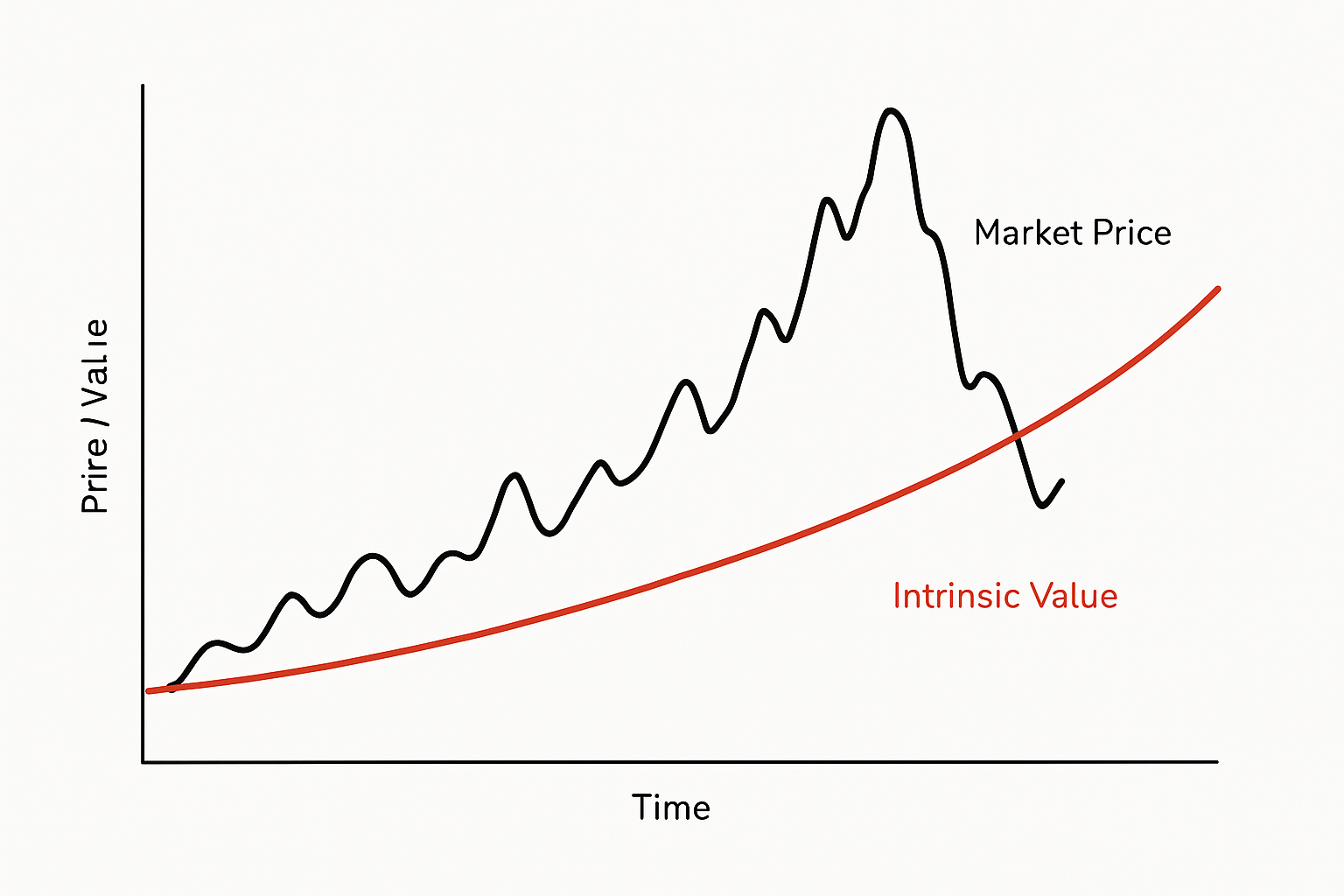
We like to think markets price things fairly. But price is not the same as value — and confusing the two can be costly. How that gap maps onto equities, credit, real estate, and speculative assets today.
David Stockman's history of America's banking system traces 150 years of political choices that transformed a disciplined reserve system into one dominated by central bank activism, debt monetization, and speculation. Understanding that journey explains why today's conditions are structural, not temporary.
Valuations are stretched, Jamie Dimon is warning of a weakening economy, and rising G7 debt is pressuring bond yields. Why the market's precarious state calls for a reality check, not complacency.
The Oracle/OpenAI story lays bare the gap between what markets expect and what fundamentals actually support — and why narrative-driven valuations break sharply when the story cracks.
David Stockman's "Free Market Money: The Antidote" argues money has become digital ledger entries — a derivative of central bank policy. What a free market in money and credit would restore.
War in Ukraine, conflict in Gaza, and markets priced for perfection. Why protecting capital now — not chasing the cycle — determines who can take advantage when valuations reset.