When the World Grows Louder, Wisdom Matters More

What Socrates understood about conflict, complacency, and consequence
We are living in a time when wars are no longer distant history lessons or abstract geopolitical debates. They are active, visible, and increasingly interconnected. Even when the fighting is far from our shores, the consequences are not—energy markets, inflation, supply chains, currencies, and ultimately personal financial security are all affected. History reminds us that moments like this reward those who pay attention and punish those who assume “it will all work out.”
More than two thousand years ago, Socrates offered a warning that feels uncomfortably current. He believed the greatest threat to any society was not an external enemy, but internal complacency. When people stop questioning what they are told, stop examining motives, and stop thinking critically, they surrender their agency. Conflict rarely arrives out of nowhere; it grows quietly while most are distracted.
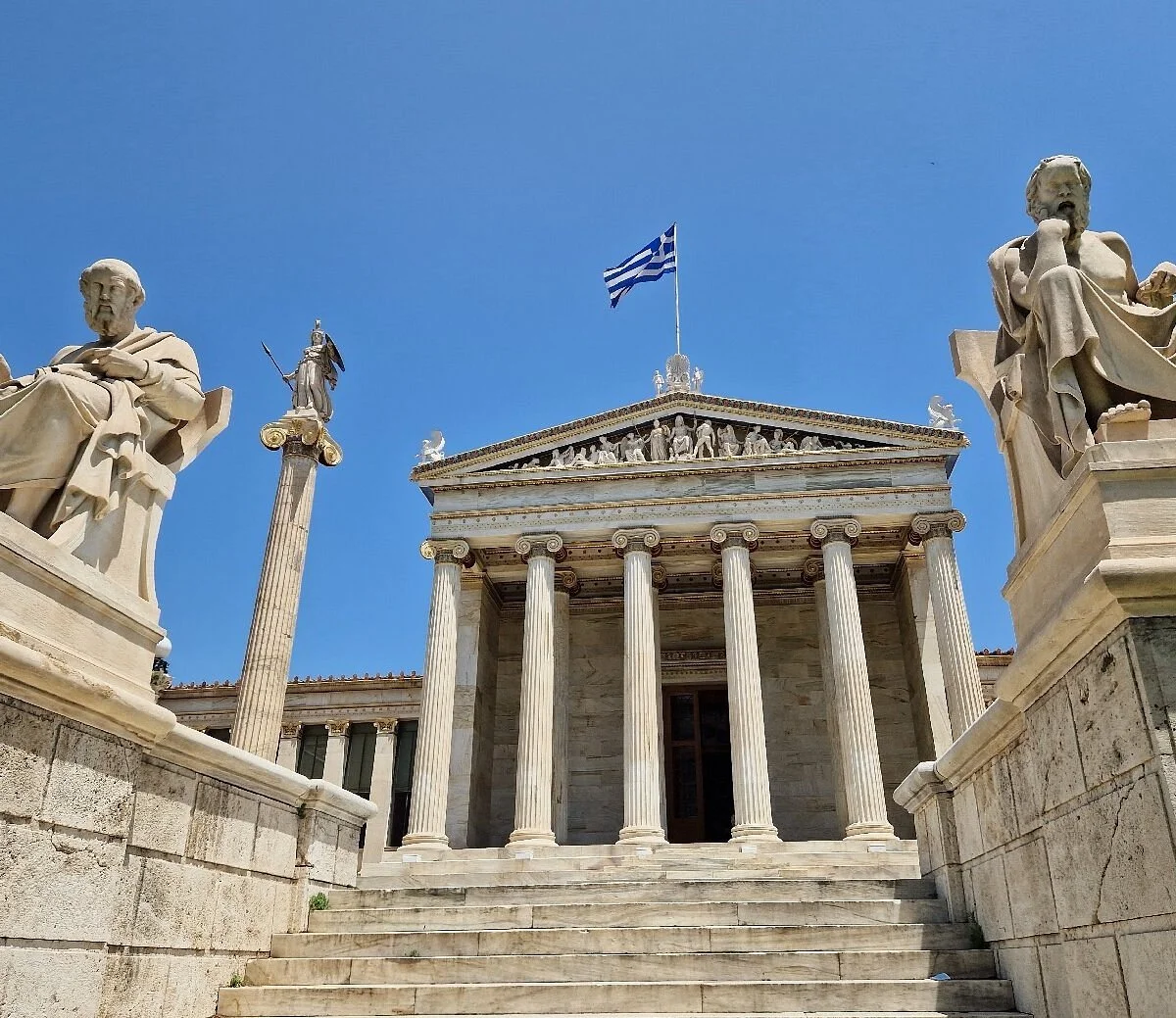
Socrates did not celebrate war, nor did he pretend it could always be avoided. What mattered to him was how decisions were made and why. He argued that committing injustice in pursuit of victory damages a society more deeply than defeat itself. That idea runs counter to modern narratives that justify nearly any action in the name of security, growth, or national interest. Wisdom, he believed, must come before force.
Paying attention to the world around us is not about fear or pessimism. It is about situational awareness. Markets, like nations, move in cycles. Periods of excess, leverage, and confidence are often followed by correction, stress, and recalibration. Wars and threats of war tend to accelerate these transitions, exposing weaknesses that were already present beneath the surface.
Socrates also emphasized personal responsibility. He believed individuals cannot outsource moral judgment to leaders, institutions, or popular opinion. In today’s environment, this translates into asking better questions: What risks are being ignored? What assumptions are being taken for granted? What happens if the world does not follow the most optimistic scenario? These are not academic questions—they shape real outcomes.
There is a clear parallel between global conflict and personal financial planning. Just as nations suffer when they fail to prepare, individuals suffer when they assume stability is permanent. Preparation is not prediction. It is humility. It is recognizing that history does not move in straight lines and that prudence matters most when it feels unnecessary.