2025: Signals We Shouldn’t Ignore
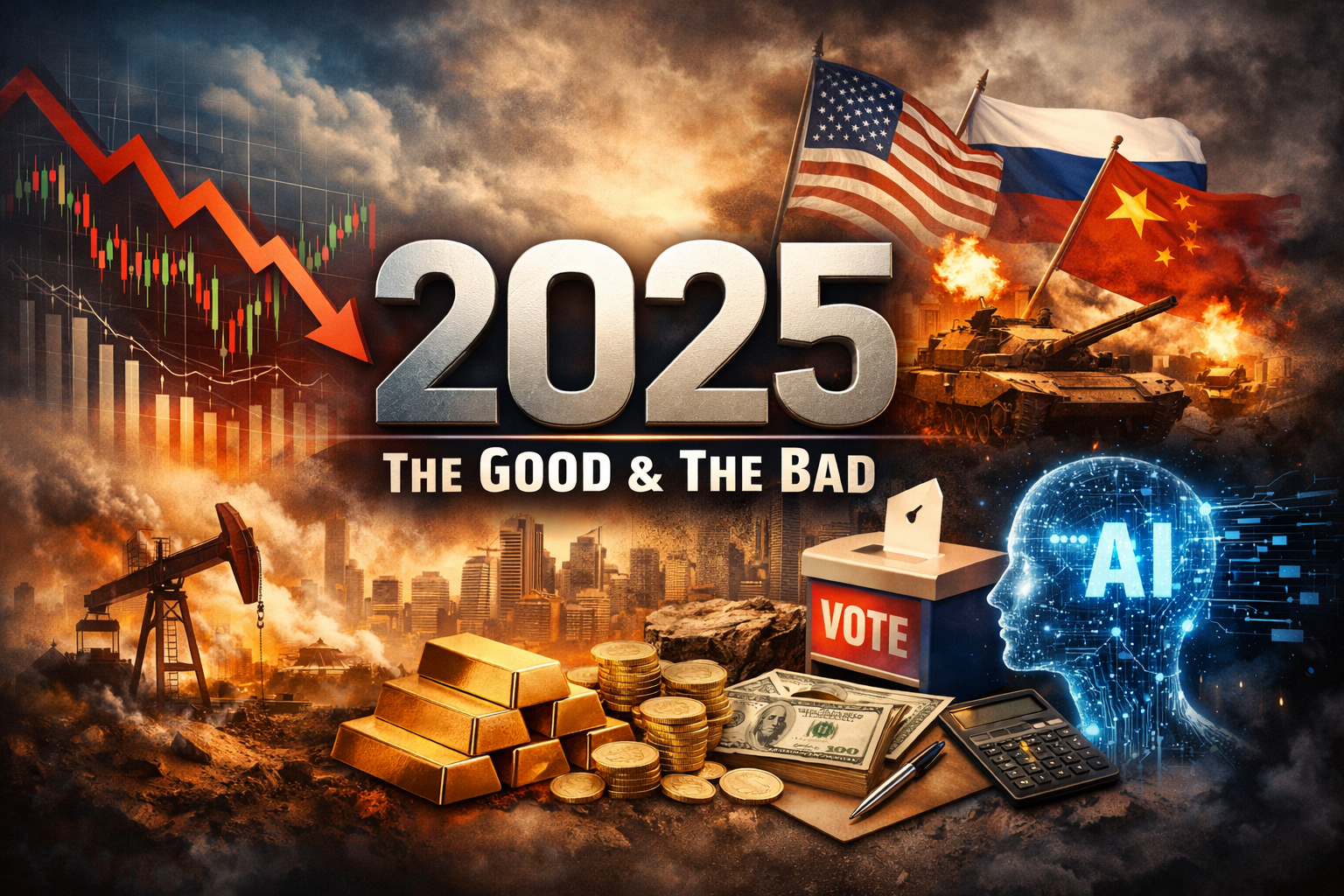
Looking back from early 2026, 2025 stands out as a year that tested both markets and society in quiet but meaningful ways. It wasn’t defined by a single dramatic collapse or euphoric boom. Instead, it was a year of tension — between optimism and reality, liquidity and fundamentals, stability and fragility. For investors and households alike, 2025 delivered mixed results that now read less like noise and more like warning signals.
On the positive side, parts of the global economy showed resilience that few expected after years of tightening financial conditions. Labor markets in the U.S. remained surprisingly firm, consumer spending slowed but did not collapse, and corporate earnings — particularly among large, well-capitalized firms — held together better than feared. Technological investment, especially in automation and artificial intelligence, continued to expand, boosting productivity narratives and keeping capital flowing into select sectors. For many, this created the sense that the system had once again “absorbed the shock.”
But beneath that surface strength, 2025 also exposed growing structural weaknesses. Inflation proved far more persistent than policymakers hoped, forcing the Federal Reserve into an uncomfortable balancing act between credibility and financial stability. Interest rates stayed restrictive longer than markets expected, pressuring commercial real estate, regional banks, and highly leveraged companies. Asset prices, particularly equities, remained elevated relative to long-term fundamentals — a condition that left markets increasingly sensitive to bad news rather than protected from it.
Globally, geopolitical risk remained a constant backdrop rather than a headline shock. Ongoing conflict involving Ukraine and Russia. China continued to disrupt trade flows, energy markets, and supply chains. None of these fully unraveled the global system in 2025 — but each added friction, cost, and uncertainty. Markets largely chose to discount these risks, even as governments and corporations quietly adjusted their strategies.
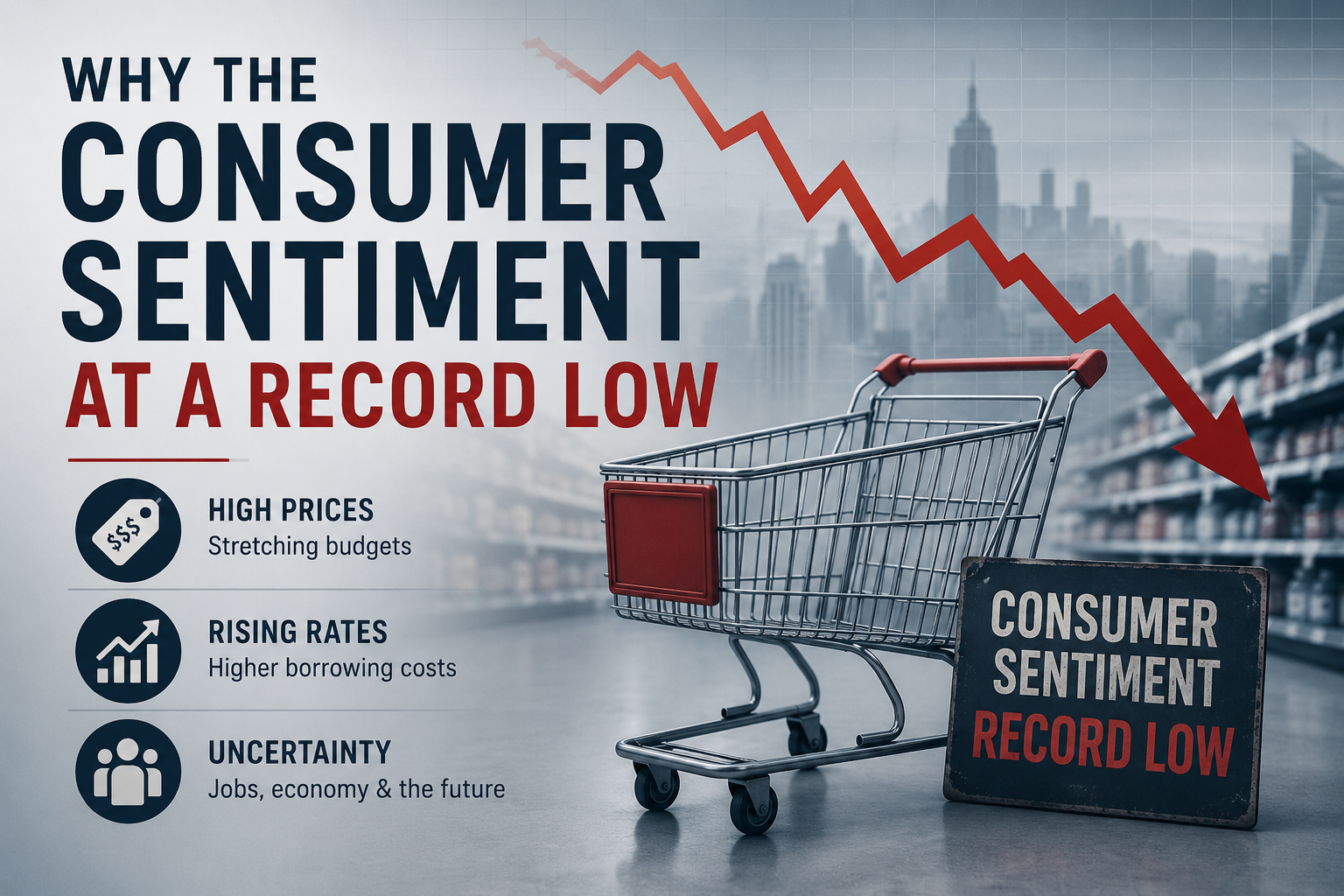
Domestically, 2025 was also shaped by political and social undercurrents. A contentious election cycle intensified divisions, eroding confidence in institutions and policymaking consistency. Fiscal deficits widened further, reinforcing concerns about long-term debt sustainability just as borrowing costs rose. For households, the combination of high prices, elevated interest rates, and uneven wage growth deepened the sense that the economy was “working” — but not equally, and not securely.
Perhaps the most important lesson of 2025 was psychological rather than numerical. Investors grew increasingly conditioned to expect intervention, liquidity, or narrative reassurance whenever stress appeared. Volatility was often treated as opportunity rather than warning. Yet history shows that long periods of suppressed risk perception tend to precede abrupt repricing. By year’s end, markets were still standing — but standing on confidence, not margin for error.