Inflation: A Dirty Word for “Accommodation”
Reflections on George F. Smith’s recent essay
In his recent piece, Inflation: A Dirty Word for Accommodation, George F. Smith cuts straight through the euphemisms that dominate modern monetary discussion. Inflation, he argues, is rarely described honestly. Instead of being acknowledged as a policy choice with real consequences, it is softened by terms like stimulus, accommodation, or support. These words may sound benign, but they mask the same outcome: a deliberate erosion of purchasing power.
Smith’s core point is simple but uncomfortable. Inflation is not an accident of nature, nor is it merely the byproduct of growth. It is the direct result of central banks choosing to expand money and credit beyond real economic output. When policymakers describe this as “accommodative,” they imply generosity or necessity. In reality, the accommodation is not for households or savers, but for governments, financial markets, and debtors who benefit from cheaper money.
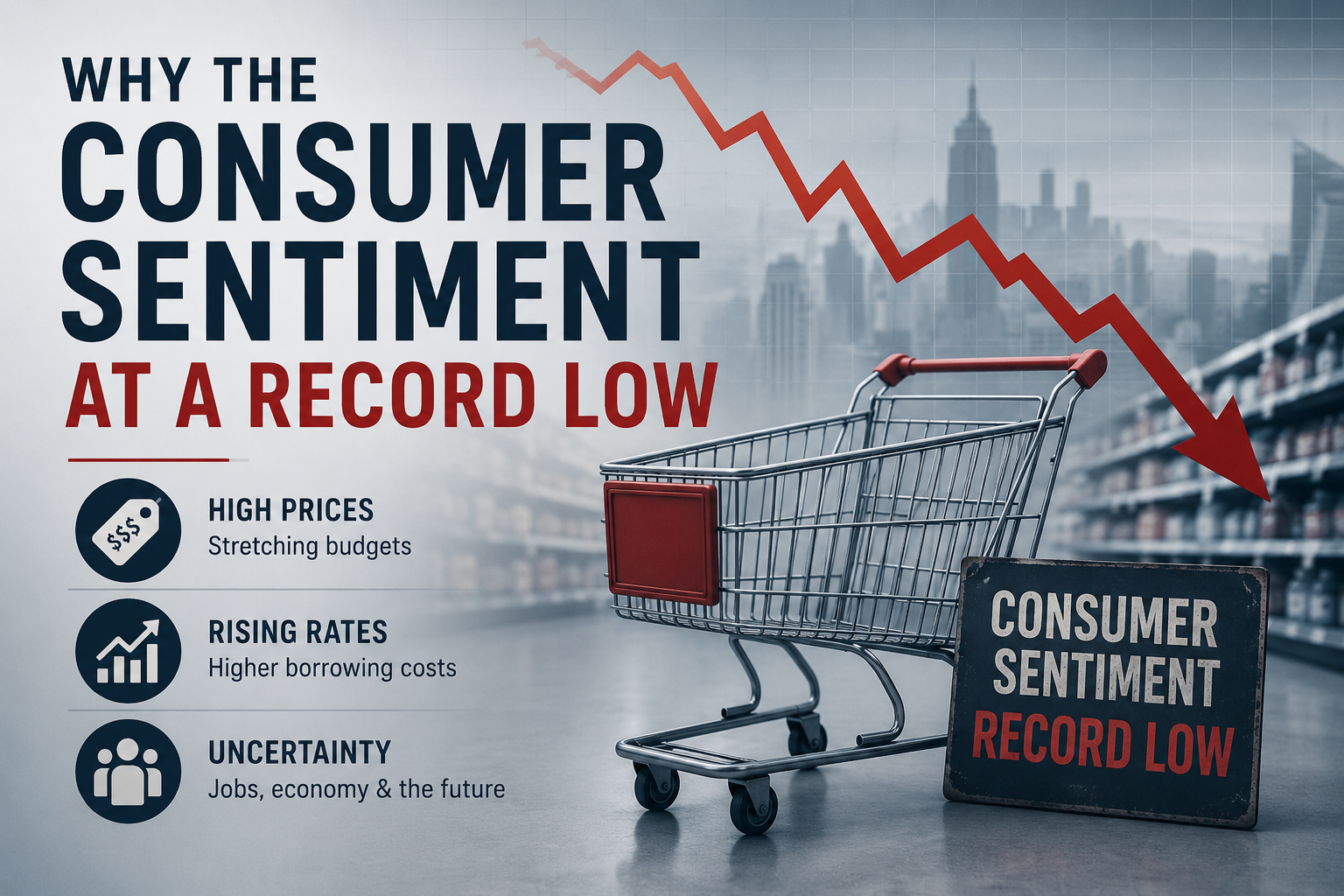
One of the essay’s strongest observations is how language itself has become a policy tool. By avoiding the word inflation, central banks avoid accountability. Rising prices are reframed as temporary, transitory, or even healthy. Meanwhile, the cumulative effect—higher living costs, distorted asset prices, and reduced real wages—is borne quietly by the public. Smith reminds readers that inflation is a tax, one that is neither voted on nor evenly distributed.
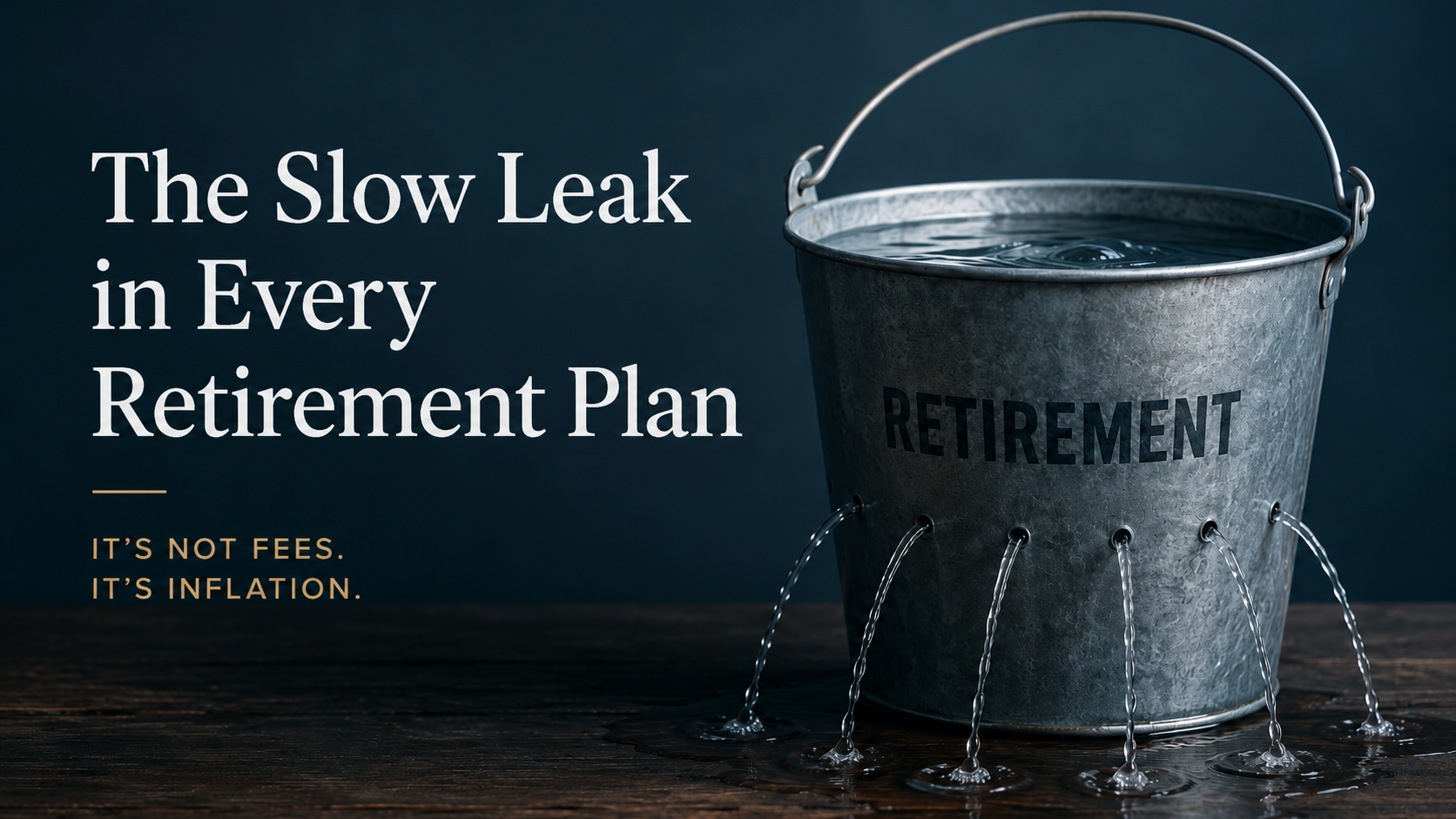
The article also highlights the asymmetry of monetary policy. Inflation tends to reward speculation and leverage while punishing prudence. Savers, retirees, and anyone living on fixed income experience the damage first and most directly. Yet policy responses often double down, with even more accommodation prescribed as the cure for the very distortions accommodation created. This circular logic keeps the system dependent on ever-looser money.
Another important thread in Smith’s argument is historical. Inflationary policy has been justified many times before—during wars, crises, and recessions—with the promise that restraint would return later. History shows otherwise. Once a system becomes dependent on cheap money, reversing course becomes politically and financially painful. The result is a slow normalization of inflation as a permanent feature rather than an emergency measure.
For investors, Smith’s essay is a reminder that risk today is not confined to market volatility. Monetary risk—the risk that currency itself is being diluted—matters just as much. When policymakers treat inflation as a policy tool rather than a danger, long-term planning becomes harder and traditional assumptions about safety are challenged.
Ultimately, Inflation: A Dirty Word for Accommodation is not just a critique of central banks, but of the mindset that enables them. By renaming inflation, we stop questioning it. By accepting accommodation as necessary, we stop asking who pays the price. Smith’s warning is clear: until inflation is called what it truly is, the public will continue to underestimate its cost—and overestimate the protection offered by the financial system built upon it.
Source: Essay by George F. Smith, published at LewRockwell.com