Milton Friedman . . .
. . . and the Cost of Government Spending
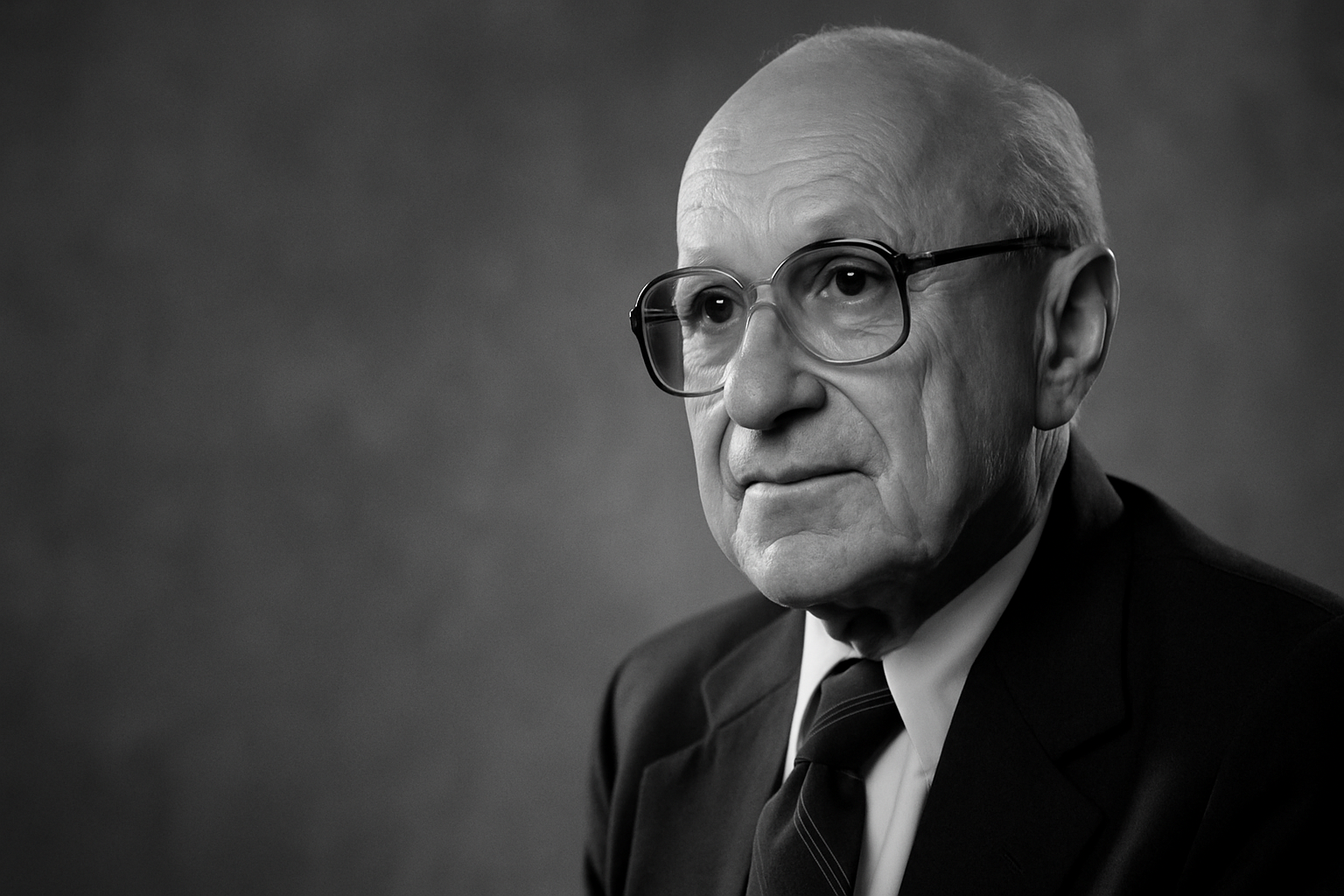
Milton Friedman remains one of the most influential economists of the twentieth century, not because he sought attention, but because he insisted on asking uncomfortable questions. At the center of his work was a simple but often ignored reality: government does not spend its own money. Every dollar spent originates from taxpayers, borrowed funds, or newly created money. Friedman believed that once this truth is forgotten, spending can expand without meaningful restraint—especially when decisions are insulated from direct accountability.
One of Friedman’s most enduring insights was his explanation of how people behave when spending money that isn’t theirs. He famously broke spending into four categories: your own money on yourself, your own money on others, other people’s money on yourself, and other people’s money on others. Government spending overwhelmingly falls into the last category, which Friedman argued leads to waste, inefficiency, and poor outcomes. When incentives are misaligned and responsibility is diffused, discipline disappears.
Friedman warned that large government programs tend to grow regardless of their effectiveness. Once established, they develop political constituencies that defend their existence, even when results fall short of original promises. Spending becomes justified by intention rather than outcome. Over time, this dynamic leads to a permanent expansion of government’s role in the economy, often with little independent review of whether those programs are actually serving the people who fund them.
Sound decisions require clear incentives, honest math, and the willingness to question comfortable narratives.
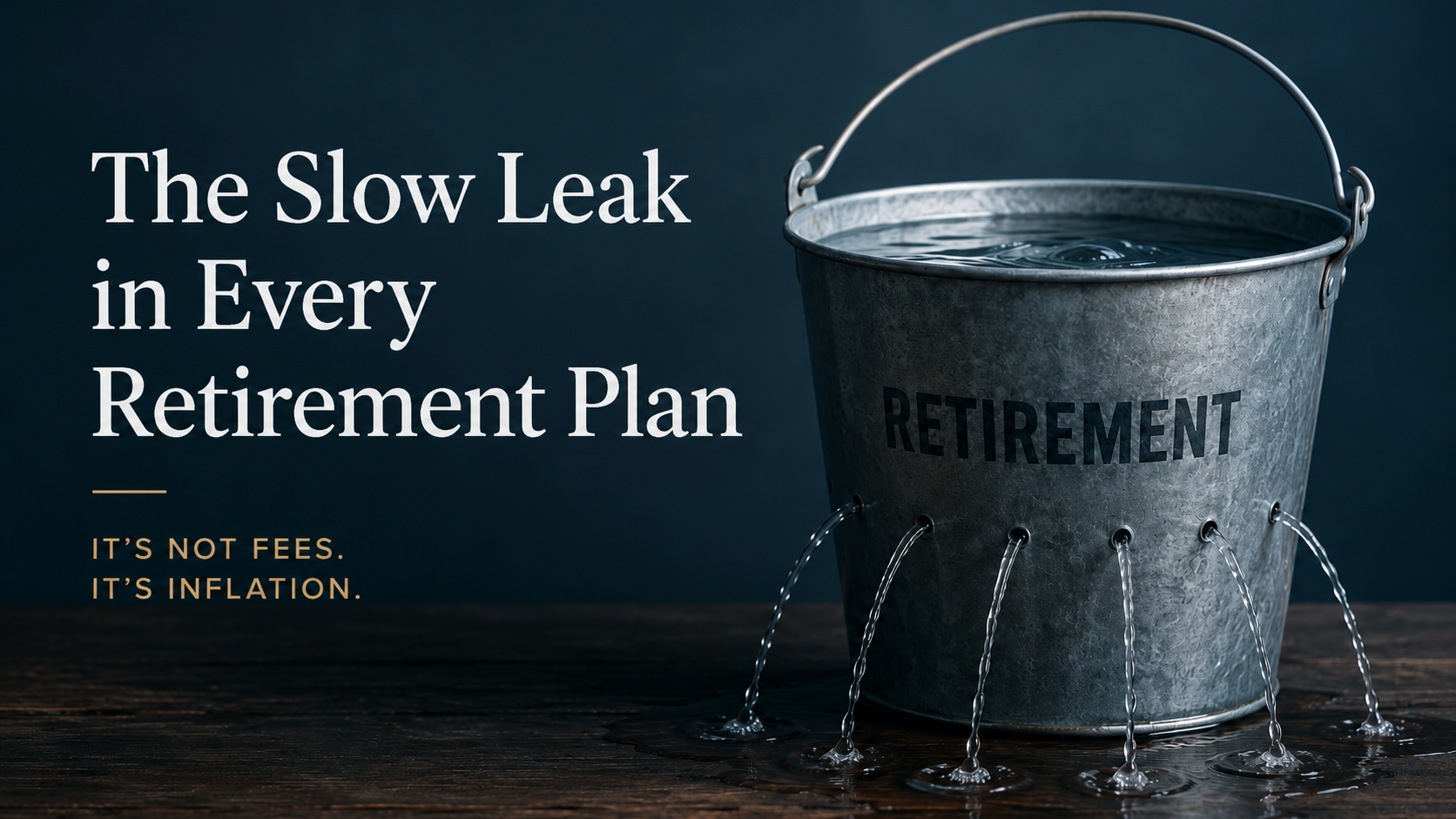
Another core concern was how governments pay for excessive spending. Friedman was blunt: taxes are visible, borrowing is politically convenient, and inflation is the least understood but most damaging option. He repeatedly emphasized that inflation is not a mysterious force—it is a monetary phenomenon. When governments spend beyond their means and central banks accommodate that spending, the purchasing power of money declines. The cost is widely dispersed, making it easy to overlook without clear, objective analysis.
Friedman did not argue that government has no role. Instead, he insisted that its role should be limited, clearly defined, and subject to constant scrutiny. He believed free markets allocate resources more efficiently because they rely on voluntary exchange and real price signals. When government overrides those signals through heavy spending and intervention, distortions follow—often with unintended consequences that compound over time and are difficult to unwind.
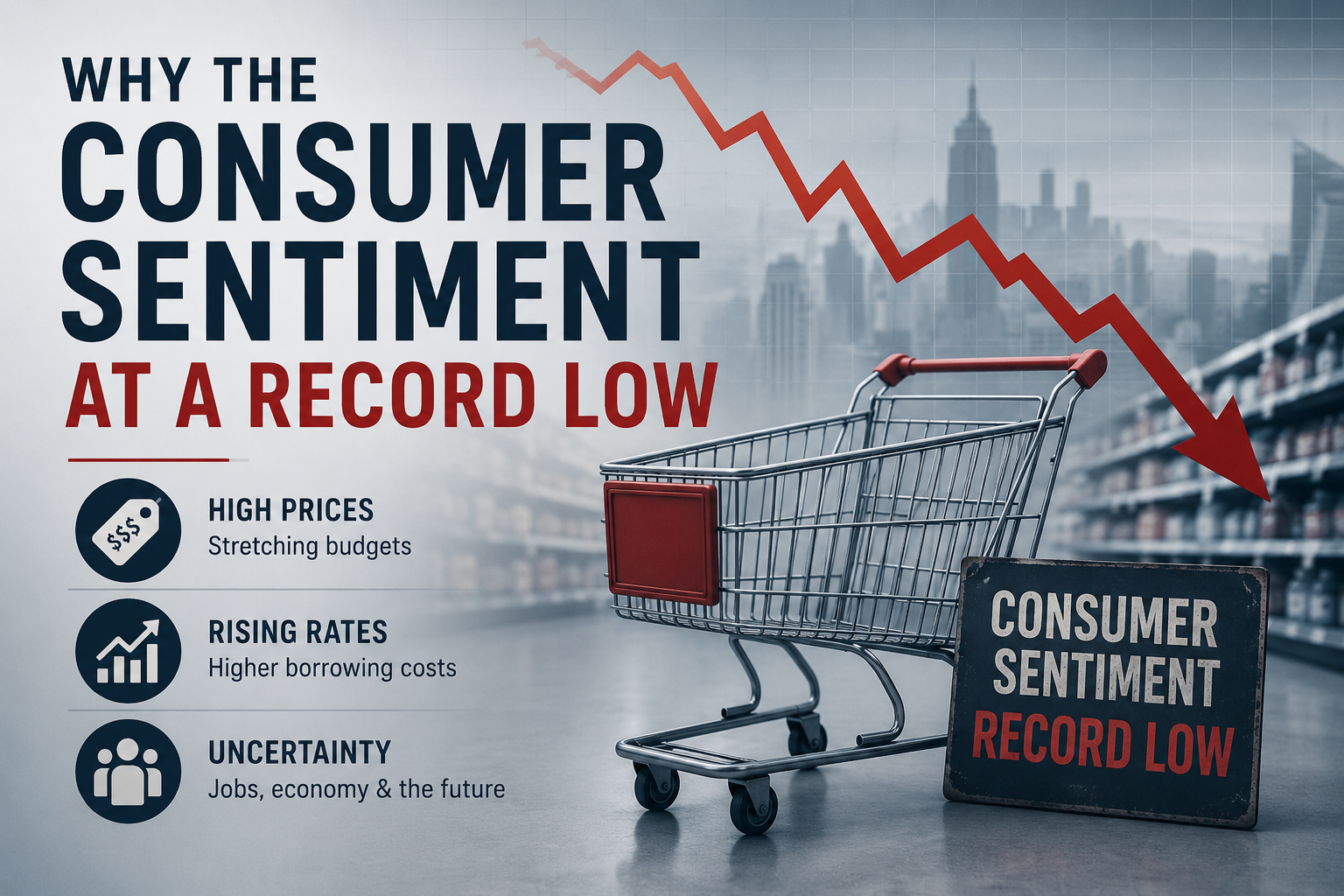
For me, Friedman’s warning is not academic. It is something I see play out in real life, with real people, and real savings at risk. When government spending grows faster than the productive economy that supports it, the gap doesn’t disappear. It shows up quietly in higher prices, reduced purchasing power, and a steady erosion of confidence in the future value of money. Most people feel the effects long before they are given a clear explanation of why.
What makes this especially troubling is how normalized it has become. Trillion-dollar deficits are discussed casually. Emergency measures quietly become permanent programs. Borrowing is framed as harmless, and inflation is treated as an external force rather than the predictable outcome Friedman described decades ago. The public is told not to worry, even as the numbers grow beyond anything seen in peacetime history, leaving individuals to navigate the consequences largely on their own.
Friedman understood that the danger isn’t a single bad policy, but a pattern. Once a society accepts the idea that spending has no real limit, discipline vanishes. At that point, savers are no longer rewarded, prudence is penalized, and financial responsibility becomes optional at the highest levels of government. That is not a sustainable foundation for a healthy economy or a stable currency, and it demands independent thinking rather than blind reliance on institutions.
This is why I continue to emphasize that we are living in historic times as investors and citizens. The scale of spending, debt, and monetary intervention today would have been unthinkable in earlier decades. Friedman’s message was not pessimistic, but it was urgent: free societies depend on informed individuals who understand how money works and who are willing to question narratives that sound comforting but ignore long-term consequences.